
At Attleboro Family Dental Care, our first goal is always to help you keep your natural teeth for as long as possible. Your own teeth are uniquely suited to your bite, your jaw, and your smile, and no replacement can match them perfectly. That is why we work hard to repair damaged teeth with fillings, crowns, root canal treatment, and gum therapy whenever those options make sense.
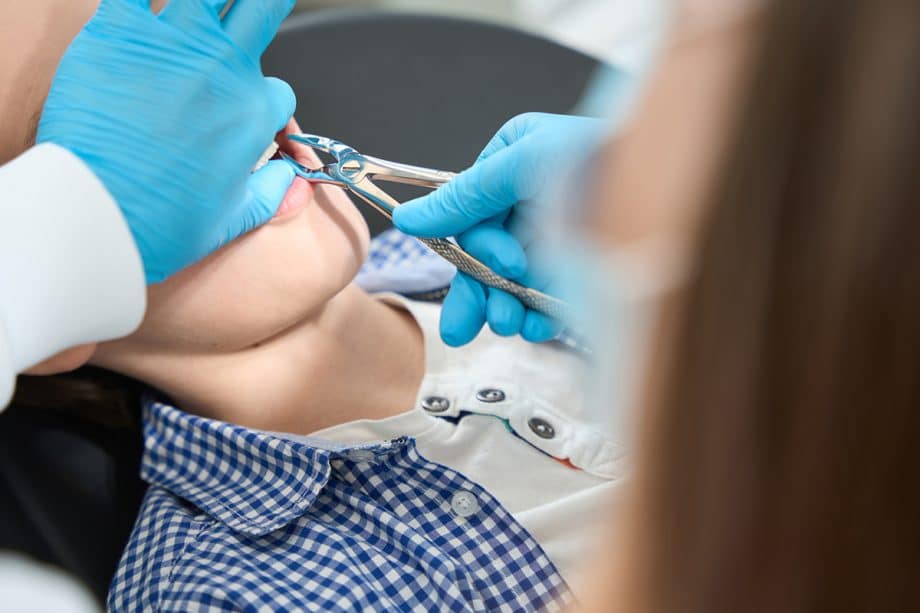
Still, there are times when saving a tooth is not the healthiest or most practical choice. In some situations, keeping a severely damaged or infected tooth can put your surrounding teeth, gums, jawbone, and even your overall health at risk. When that happens, a tooth extraction can be the best path toward a comfortable, healthy mouth.
We know that hearing the word "extraction" can feel unsettling. Our team believes that understanding why an extraction might be recommended helps you feel more confident in your care. Below, we explain the most common reasons we may suggest removing a tooth, how we decide between saving and extracting, and what your options look like afterward.
Common Situations Where an Extraction May Be the Best Choice
Every smile is different, and we evaluate each tooth individually. However, there are several situations where we are more likely to recommend an extraction.
Decay That Has Destroyed Too Much of the Tooth
When a cavity is caught early, a filling or inlay can repair it easily. If decay reaches the inner pulp, a root canal can often remove the infection and save the tooth. But when decay has broken down so much of the tooth that there is not enough healthy structure left to support a crown, the tooth may not be restorable. In these cases, trying to save it can lead to repeated failures, ongoing discomfort, and wasted time and money.
Cracks or Fractures Below the Gumline
Many chipped or cracked teeth can be repaired with bonding or a crown. A crack that extends deep into the root or splits the tooth vertically is a different story. These fractures often cannot be sealed, and bacteria can continue to travel through them. When a tooth is split in this way, removing it is usually the most reliable way to prevent pain and infection.
Advanced Gum Disease
Periodontal disease attacks the gums and the bone that hold your teeth in place. In its early stages, gum disease can be treated and managed with deep cleanings and periodontal procedures. When the disease is advanced, a tooth may lose so much bone support that it becomes very loose. If the tooth cannot be stabilized, extraction may be needed to protect the health of neighboring teeth and the surrounding bone.
Infections That Do Not Respond to Treatment
A root canal is very successful at clearing infection from inside a tooth, and our endodontist performs this treatment right in our office. Occasionally, an infection returns or the tooth has complex anatomy that makes successful treatment unlikely. If an infection keeps coming back, removing the source can stop it from spreading.
Impacted or Problematic Wisdom Teeth
Wisdom teeth often do not have enough room to come in properly. They may grow in at an angle, stay trapped under the gums, or only partially emerge. This can cause pain, swelling, infection, damage to nearby molars, and crowding. Removing wisdom teeth before they cause problems is one of the most common reasons for extraction.
Crowding and Orthodontic Planning
Sometimes there is simply not enough space in the mouth for every tooth to align properly. As part of an orthodontic treatment plan, removing one or more teeth can create the room needed to straighten the smile. Because our team includes an orthodontist, we can coordinate this type of care in one place.
How We Decide Between Saving and Extracting a Tooth
We never recommend an extraction lightly. Before making any recommendation, we perform a thorough exam and use advanced diagnostic tools, including 3D imaging, to see the full picture of your tooth, its roots, and the surrounding bone. This detailed view helps us determine how much healthy structure remains and whether a restoration is likely to last.
We consider several factors when weighing your options, including how much of the tooth is intact, the health of the gums and bone around it, whether an infection can be fully cleared, and how the tooth affects your bite and neighboring teeth. We also think about your long term oral health. A tooth that can only be saved with a complicated, costly treatment that has a low chance of success may not be the wisest investment.
One of the benefits of our multi-specialty practice is that our general dentists, periodontist, and endodontist can collaborate on your care under one roof. If there is a reasonable chance to save your tooth with a root canal, gum treatment, or a crown, we will explain that option. Our dentists will listen to your questions and concerns and present every possible treatment so that, together, we can choose the approach that is right for you.
What Happens After a Tooth Is Removed
Modern extractions are far more comfortable than many people expect. We numb the area thoroughly before the procedure, and if you feel nervous about dental visits, our team offers compassionate care and relaxing amenities to help you feel at ease. After the extraction, we provide clear instructions to help the area heal smoothly and reduce your risk of complications.
Unless the tooth was a wisdom tooth or removed for orthodontic reasons, we will usually talk with you about replacing it. Leaving a gap can cause nearby teeth to shift, change your bite, and lead to bone loss in the jaw over time. Fortunately, there are several reliable ways to restore your smile:
- Dental implants replace the tooth both above and below the gumline, giving you a result that looks, feels, and functions like a natural tooth while helping to preserve the jawbone.
- Dental bridges fill the space by anchoring a replacement tooth to the neighboring teeth.
- Dentures can replace several missing teeth or a full arch when multiple teeth need to be removed.
Because our practice provides both extractions and tooth replacement, we can often plan your entire treatment from start to finish without sending you to an outside office. In some cases, we can even plan for an implant at the time of your extraction to help protect the bone and shorten your overall treatment time.
Making the Right Choice for Your Smile
Saving a natural tooth is always our preference, but it is not always the healthiest option. When a tooth is too damaged, infected, or unstable to repair, an extraction can relieve pain, stop infection from spreading, and protect the rest of your smile. The key is catching problems early. Regular checkups give us the best chance to treat issues while a tooth can still be saved.
If you have a tooth that is painful, loose, cracked, or causing swelling, we encourage you to schedule a visit with our team in Attleboro, MA. We will take the time to examine the tooth, explain what we find, and walk you through every option so you can make an informed decision about your care.
Frequently Asked Questions About Tooth Extractions
Is a root canal better than an extraction?
When a tooth can be successfully treated, a root canal is usually the better choice because it preserves your natural tooth. However, if the tooth is too damaged or the infection is unlikely to clear, an extraction may offer a more reliable long term outcome.
Does a tooth extraction hurt?
We numb the area completely before the procedure, so you should feel pressure but not pain. Some tenderness and swelling are normal for a few days afterward, and these can usually be managed with the aftercare instructions we provide.
How long does it take to heal after a tooth extraction?
Most patients feel back to normal within a few days, while the gums typically heal over one to two weeks. The underlying bone takes longer to fully heal, which is one reason we plan tooth replacement carefully.
Do I need to replace a tooth after it is extracted?
In most cases, yes. Replacing a missing tooth helps prevent neighboring teeth from shifting, protects your bite, and reduces bone loss. Wisdom teeth and teeth removed for orthodontic treatment usually do not need to be replaced.
Can a loose tooth be saved?
Sometimes. If a tooth is loose because of gum disease that is caught early enough, periodontal treatment may help stabilize it. If too much bone support has been lost, extraction may be the healthier option.
Attleboro Family Dental Care is a multi-specialty dental practice in Attleboro, MA, offering general, restorative, cosmetic, and specialty care for patients of all ages under one roof. If you have a tooth that is causing you pain or concern, contact us today to schedule an appointment and learn about your treatment options.